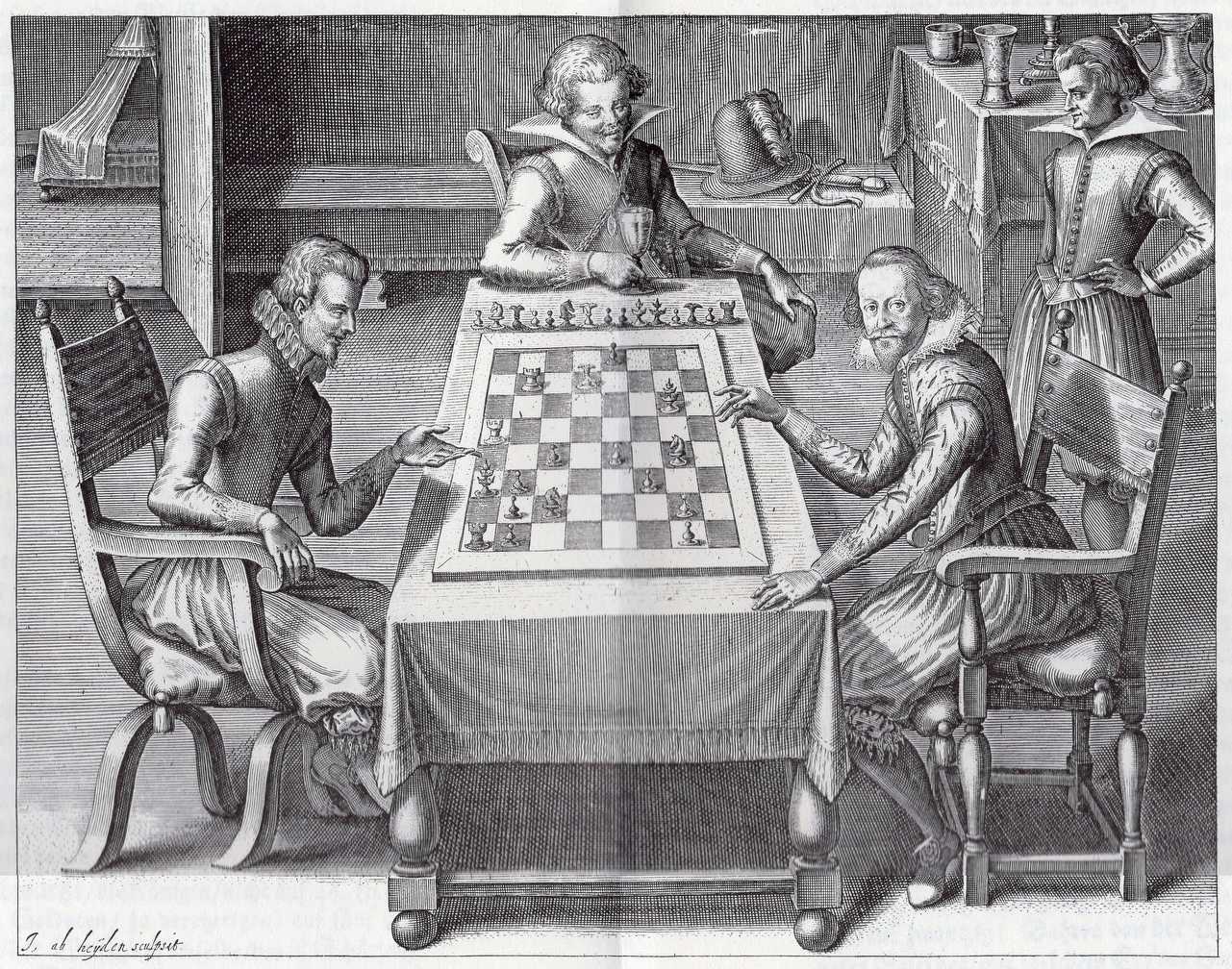
 The "Selenus" sets were typical of Germany and Northern Europe and named after Gustavus Selenus, the pen name of Augustus the Younger, Duke of Brunswick-Lüneburg, author of "Das Schach- oder Königsspiel" ("Chess or the King's Game"), an important chess manual published in the early 17th century (1616). The picture is of the engraving in that book showing chess pieces after which the "Selenus" type is named. This type was made during a long period and the form has been evolved, but for centuries pieces very similar as the ones in the book were made, as Scandinavian pieces show.
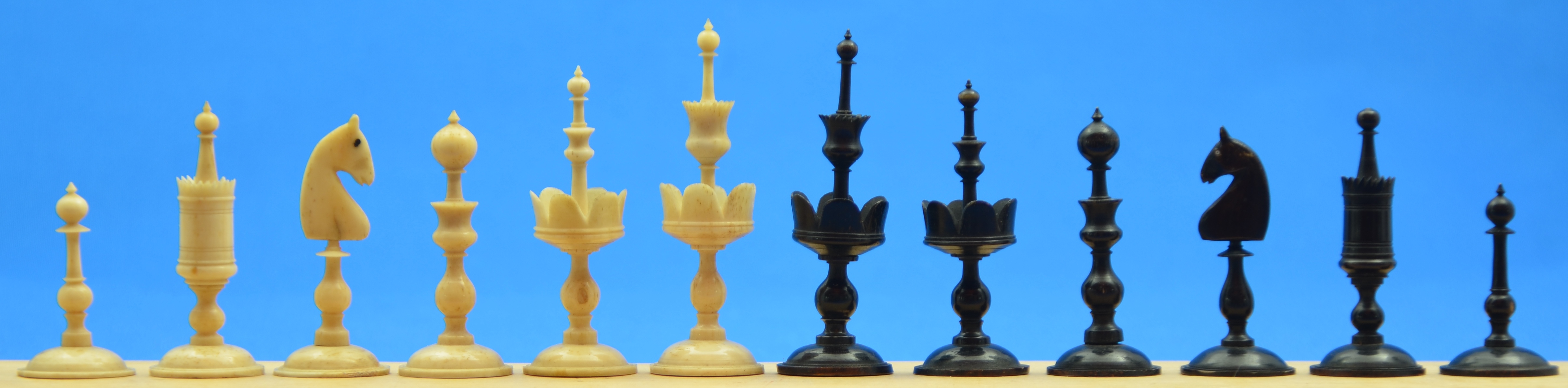 Germany, "Selenus" (Eng: "Tulip"), 18th century
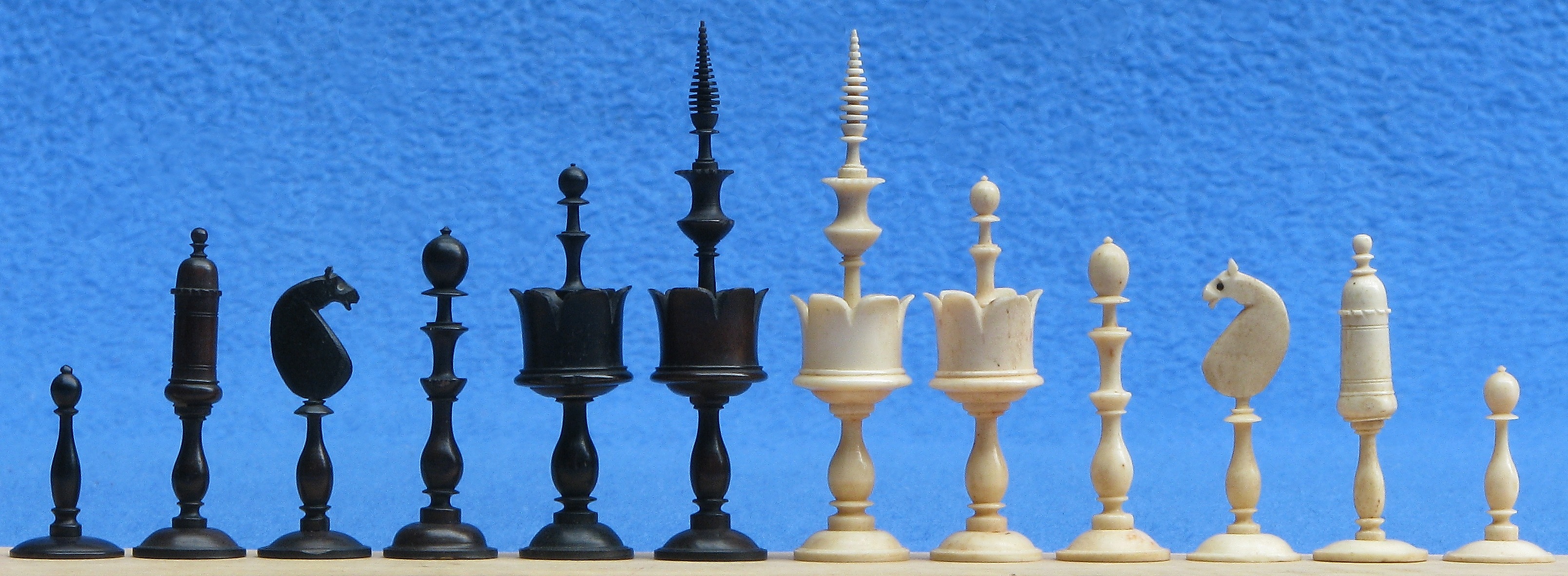 Germany, "Selenus" (Eng: "Tulip"), 18th century
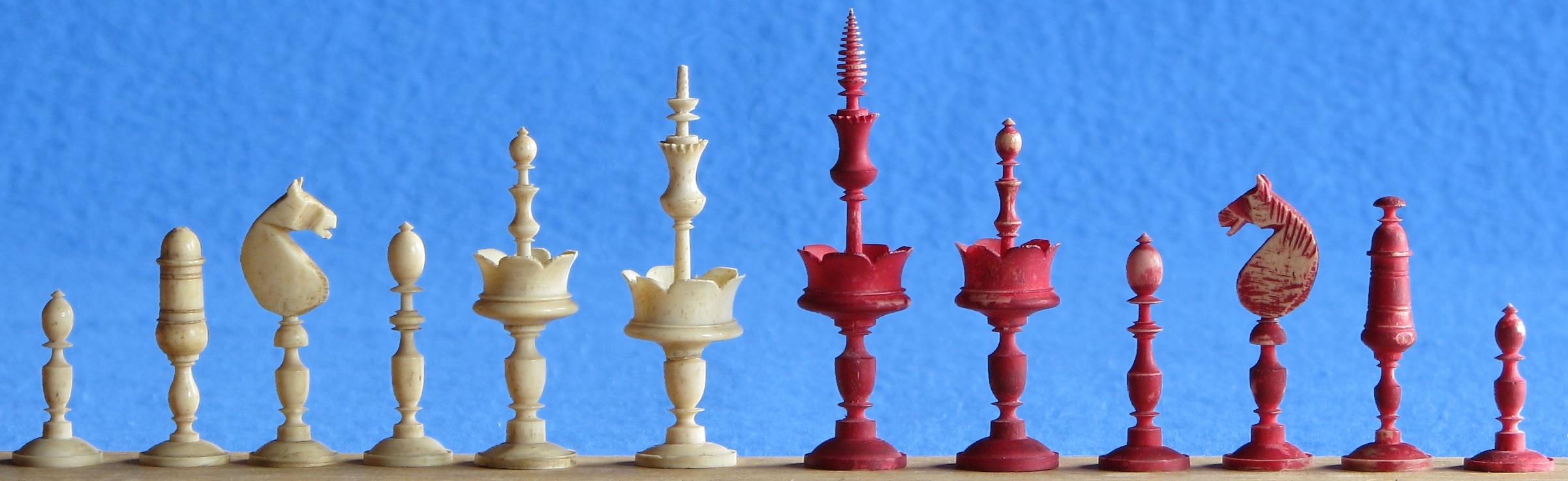 Germany, "Selenus" (Eng: "Tulip"), 1800?
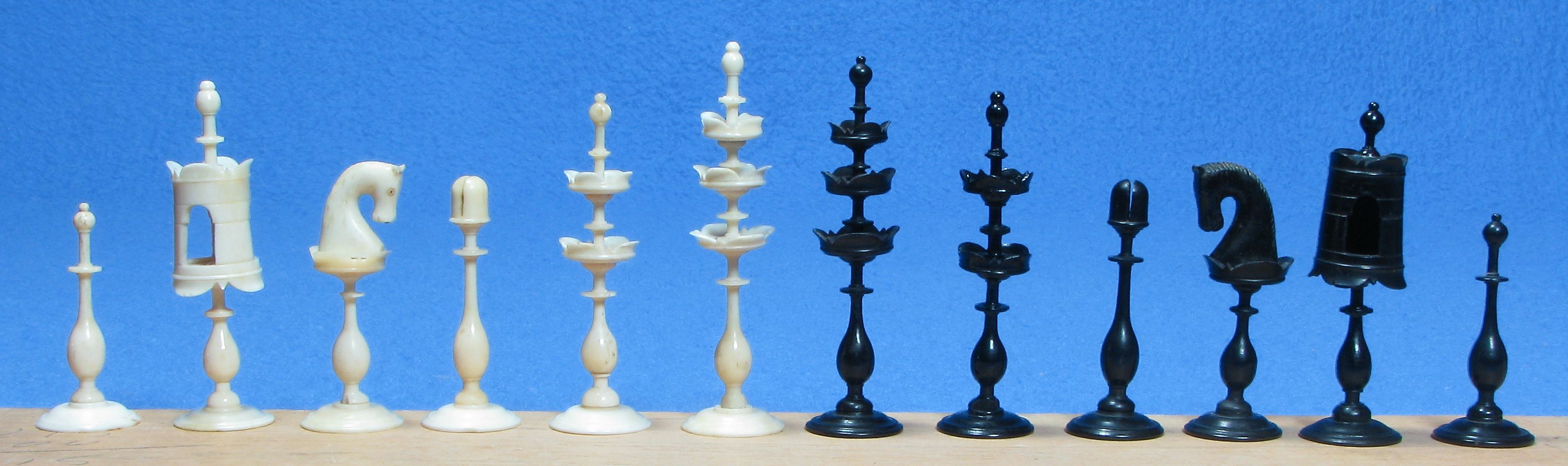 Sweden, "Selenus", ca. 1800
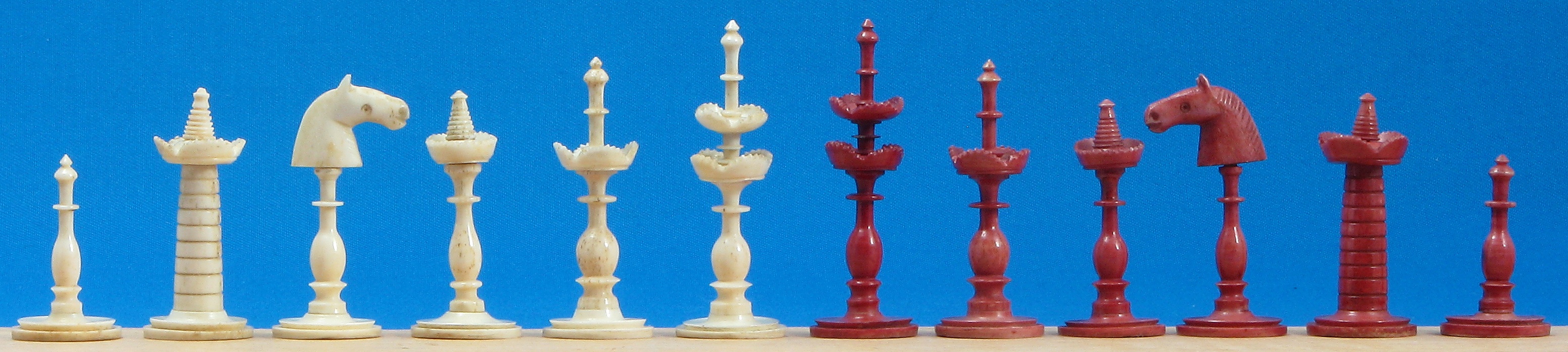 Denmark, "Selenus", ca. 1800
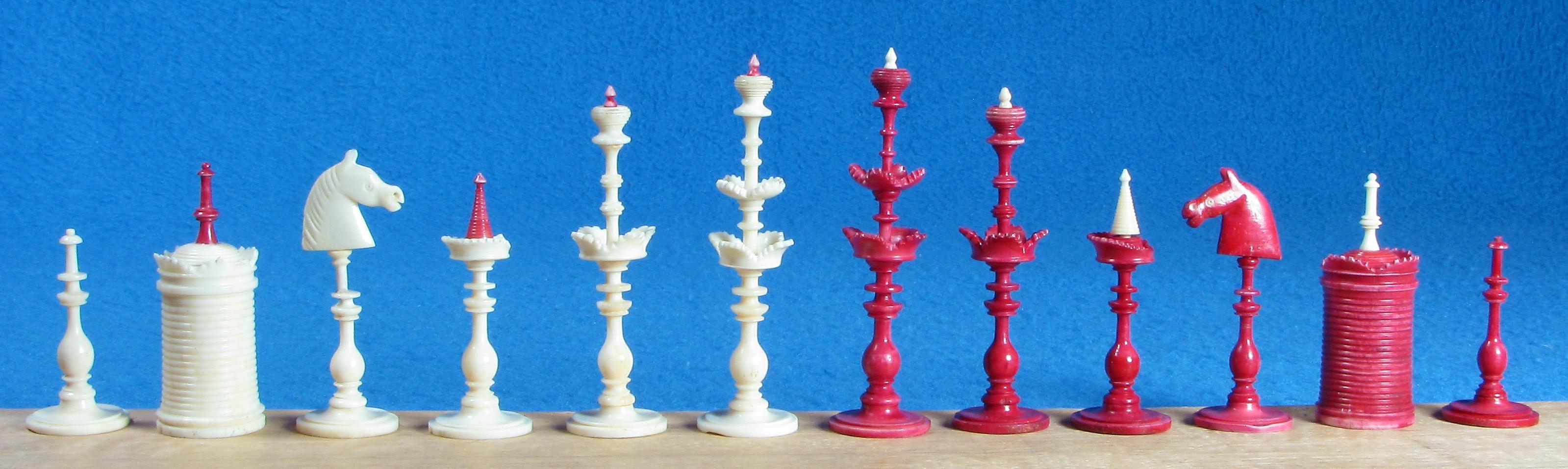 Denmark or Sweden, "Selenus", ca. 1820
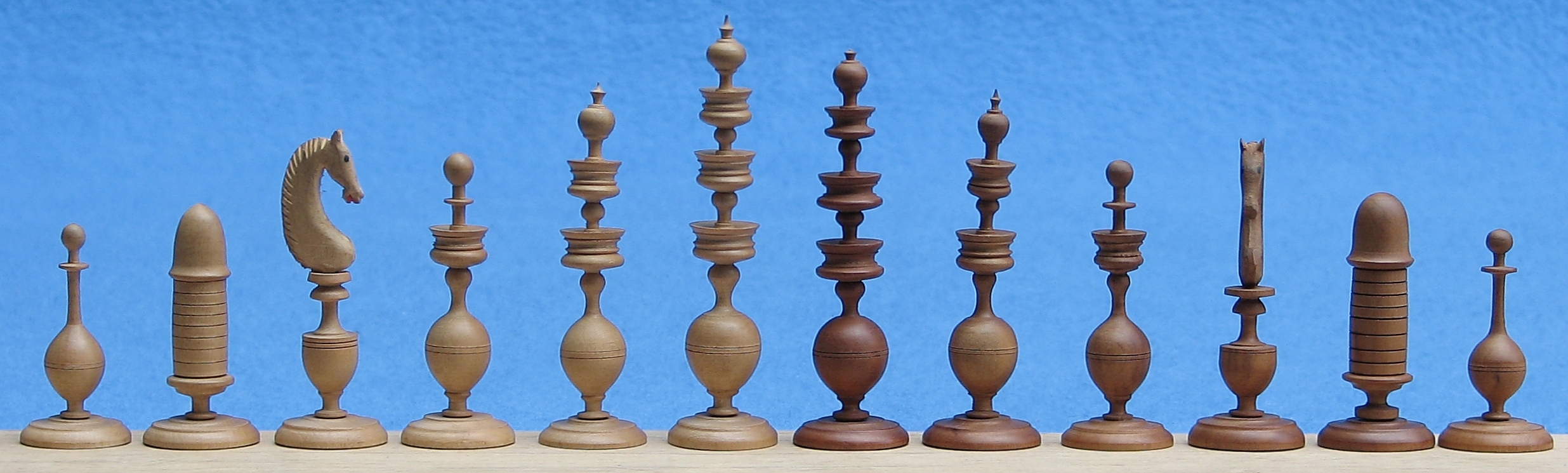 Germany, Ore Mountains, "Selenus inspired", 18th-19th century
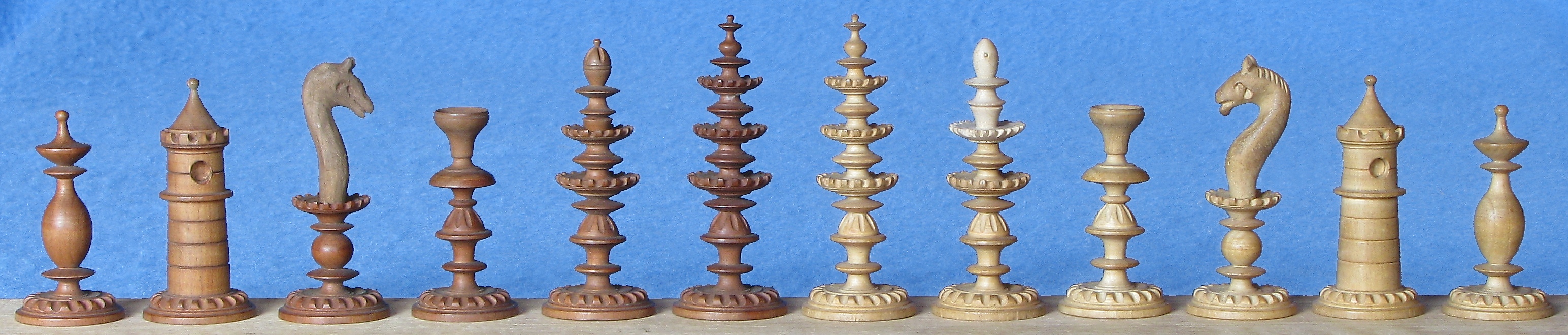 Austria or Germany, "Selenus", Early 19th century or older
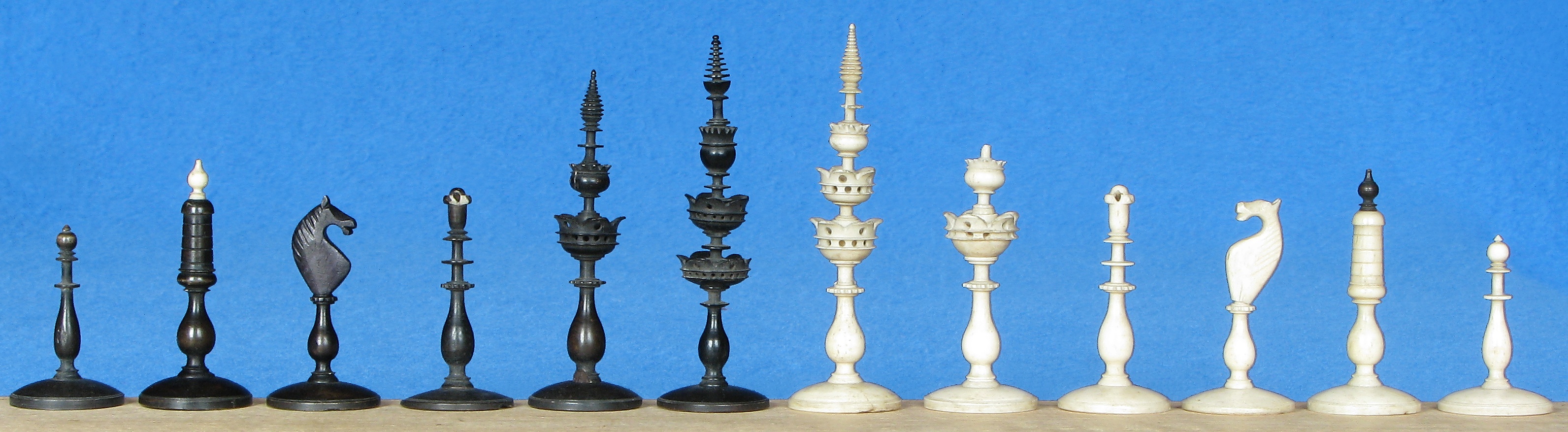 Austria, "Selenus", Early 19th century or older
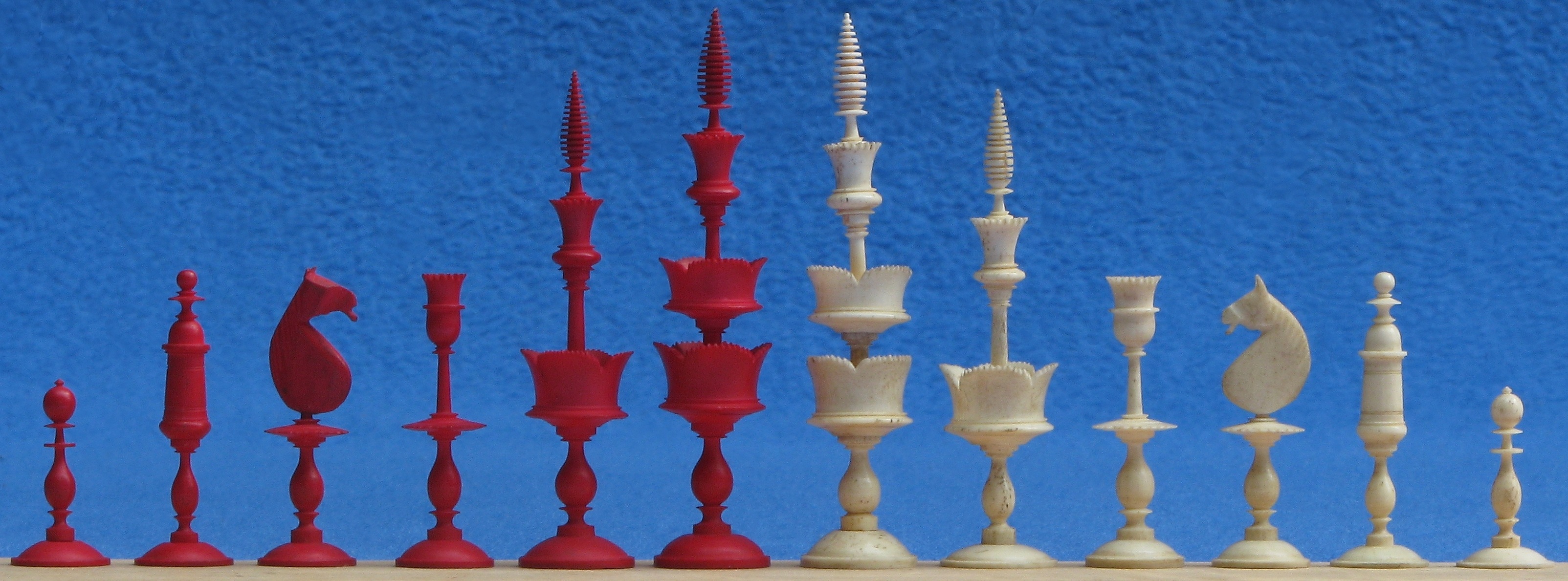 Germany, "Selenus" (Eng: "Tulip"), Early 19th century
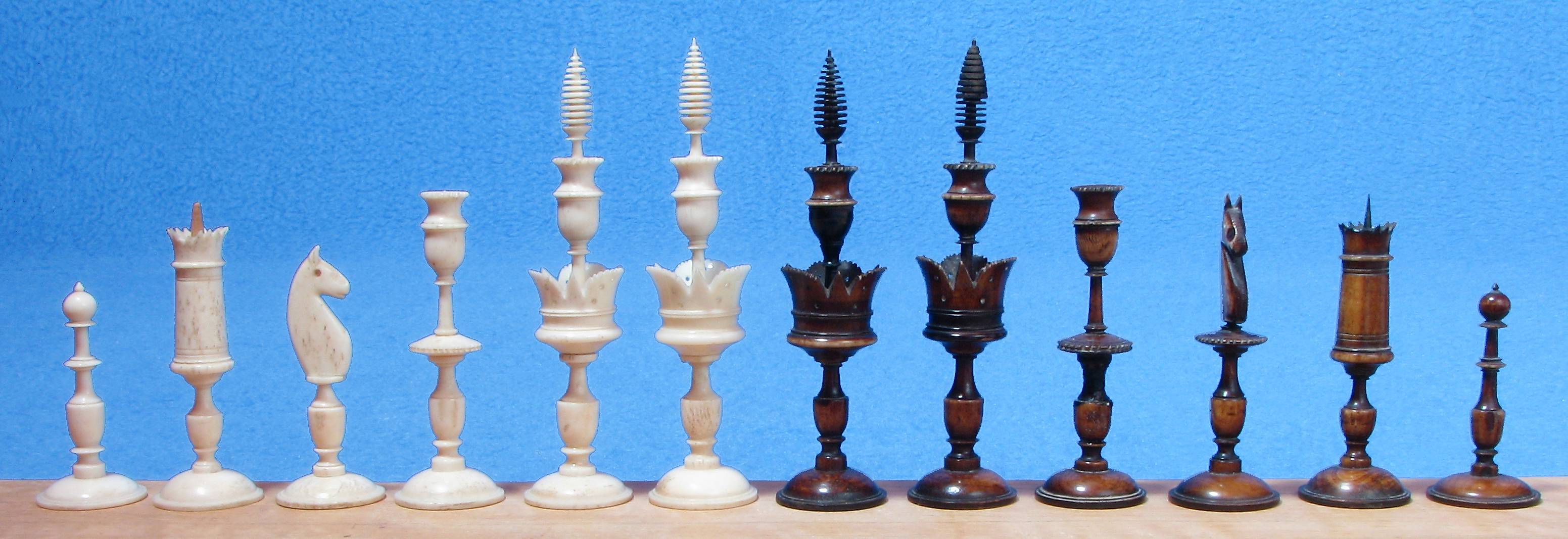 Germany, "Selenus" (Eng: "Tulip"), Early to mid 19th century
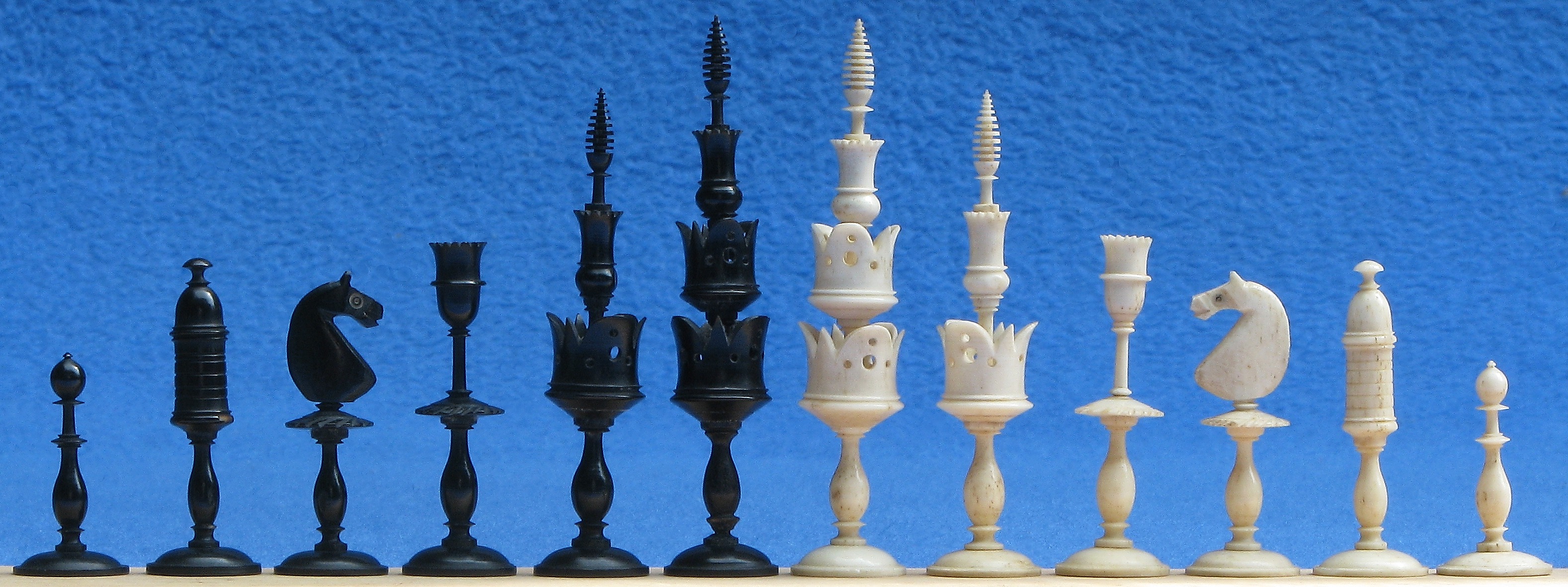 Germany, "Selenus" (Eng: "Tulip"), Early to mid 19th century
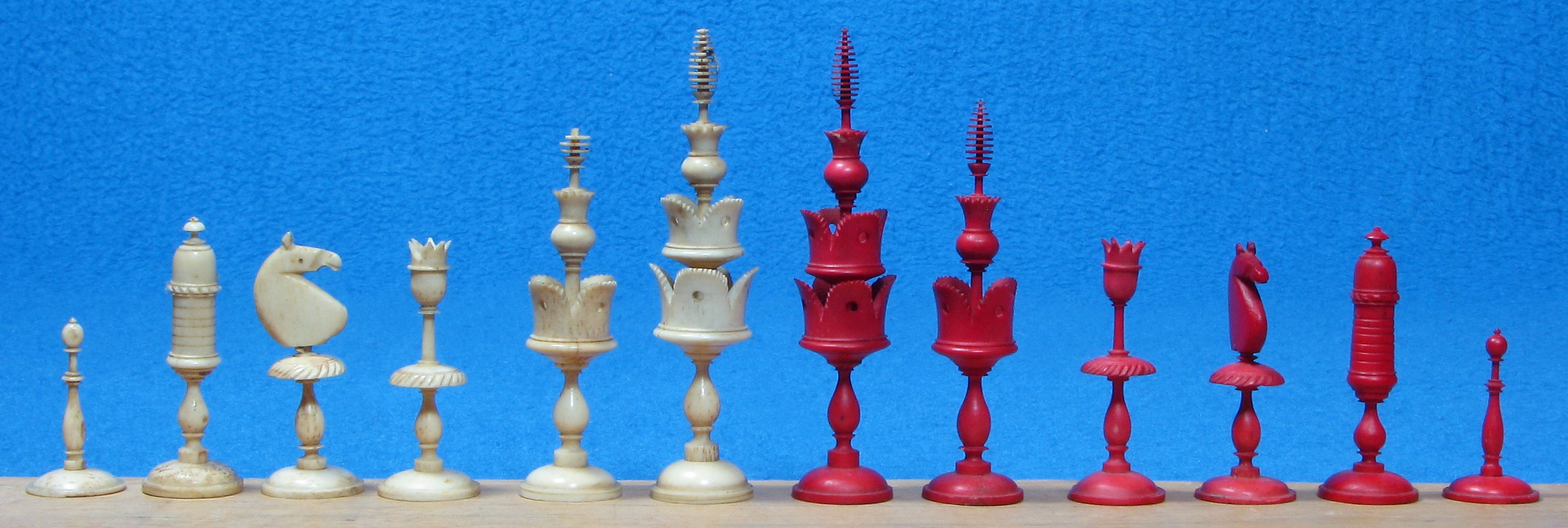 Germany, "Selenus" (Eng: "Tulip"), Early to mid 19th century
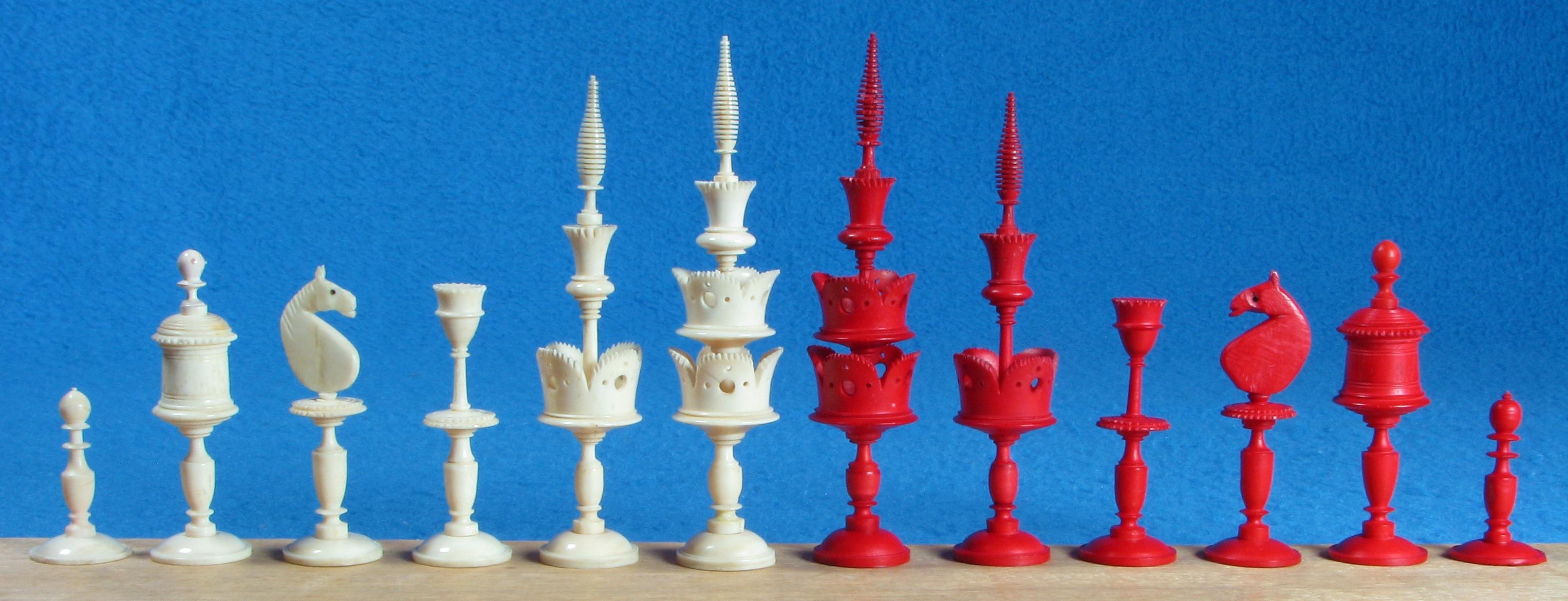 Germany, "Selenus" (Eng: "Tulip"), Early to mid 19th century
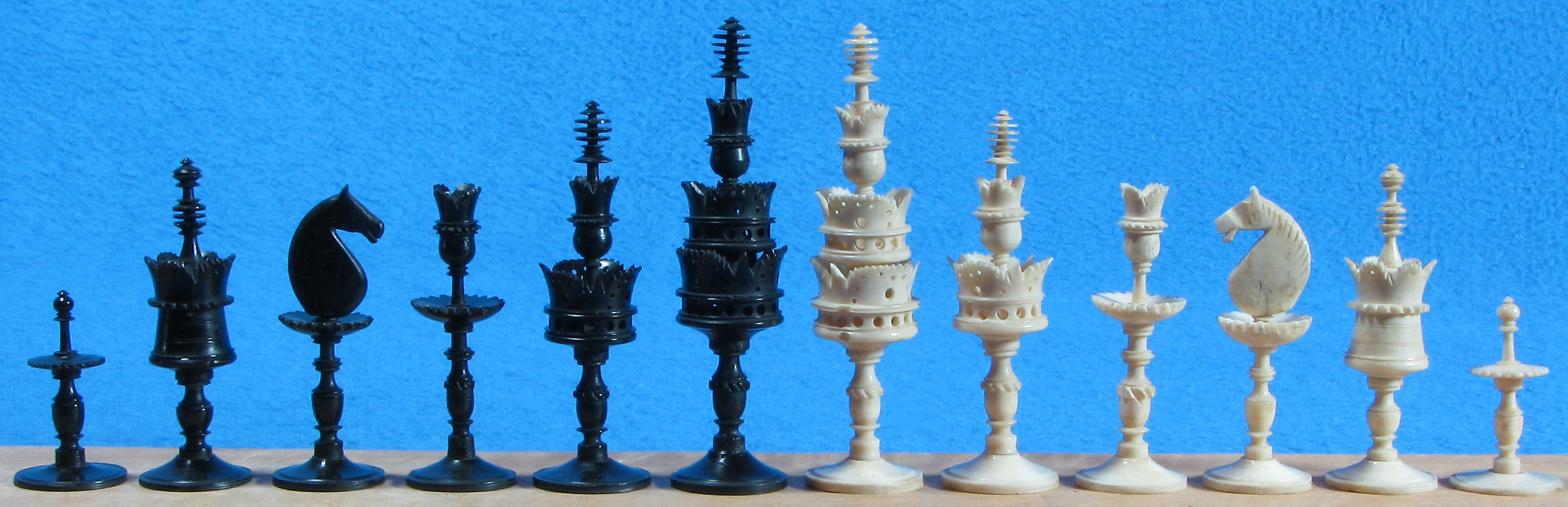 Germany, "Selenus" (Eng: "Tulip"), Early to mid 19th century
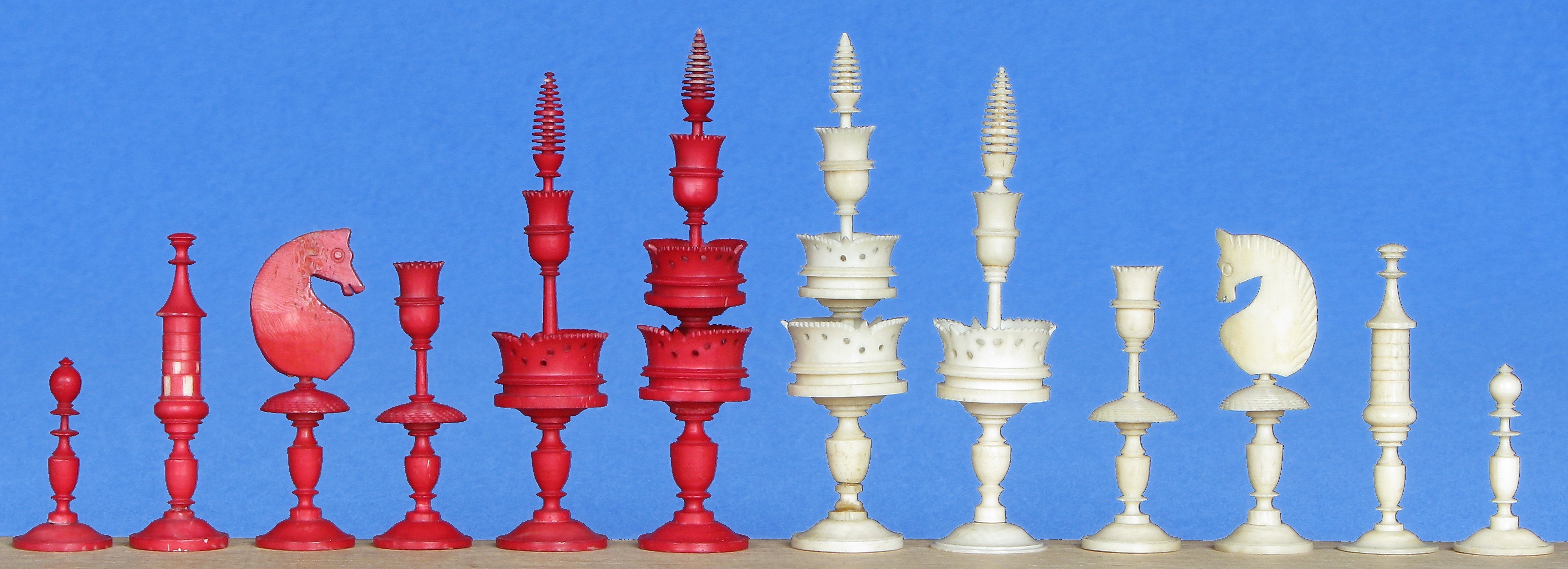 Germany, "Selenus" (Eng: "Tulip"), Early to mid 19th century
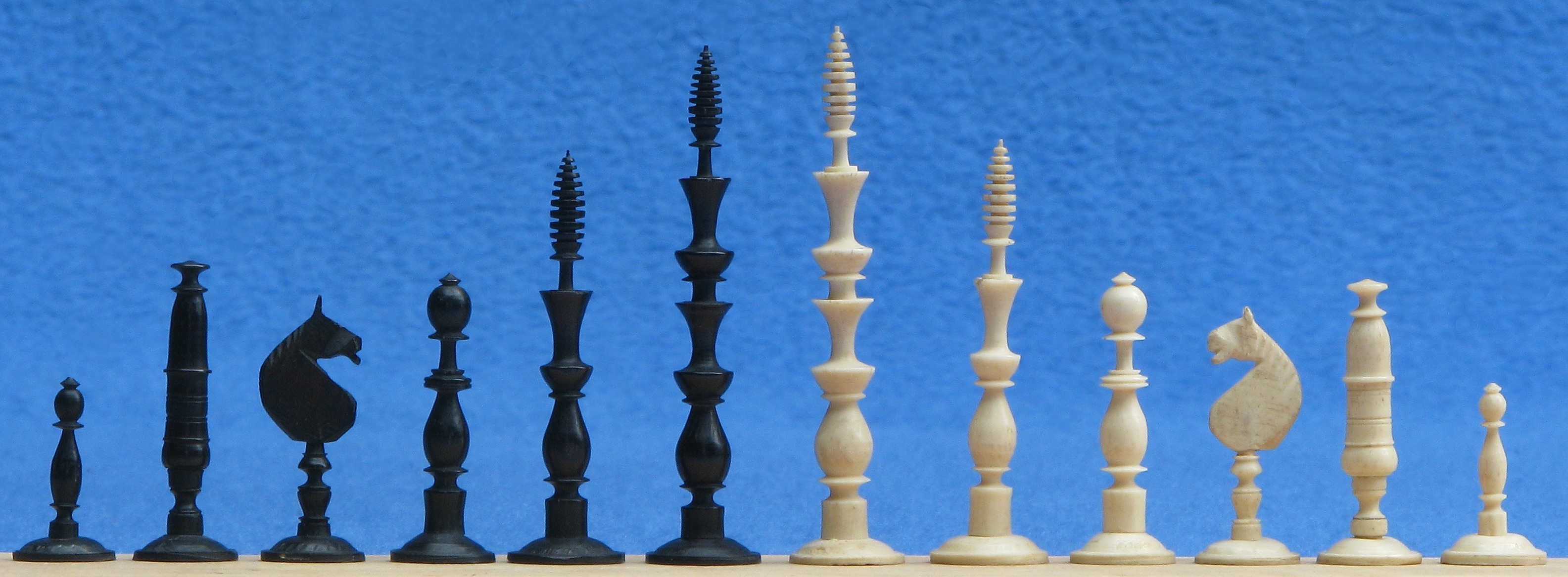 Netherlands, retailer A.Kampen in Groningen
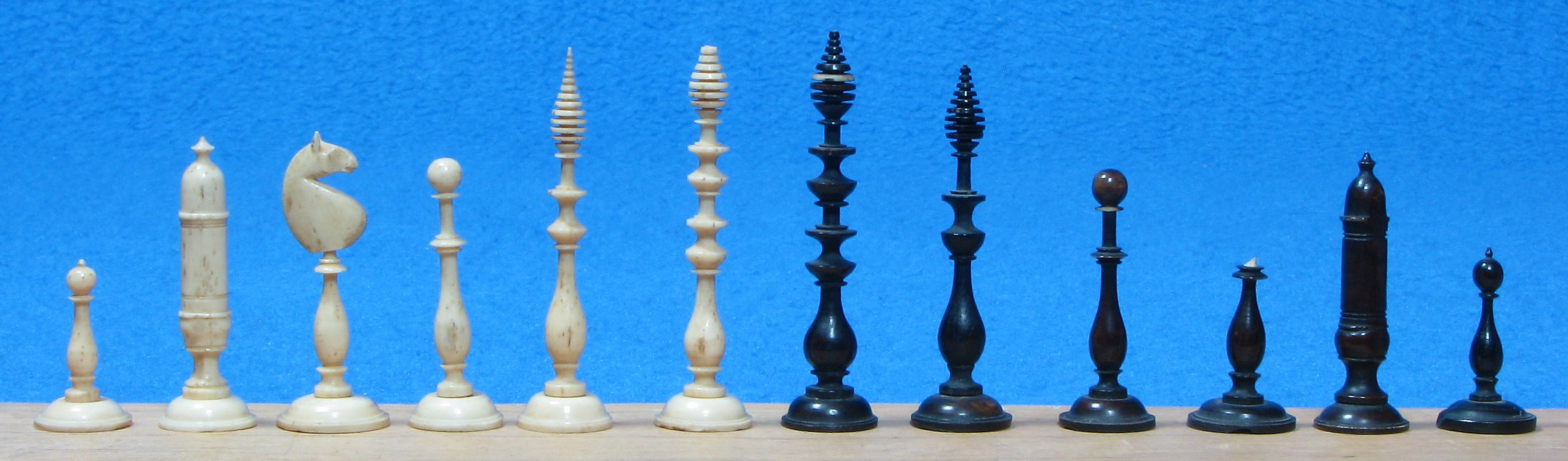 Germany, "Selenus" or "Nuremberg" (Eng: "spindle")
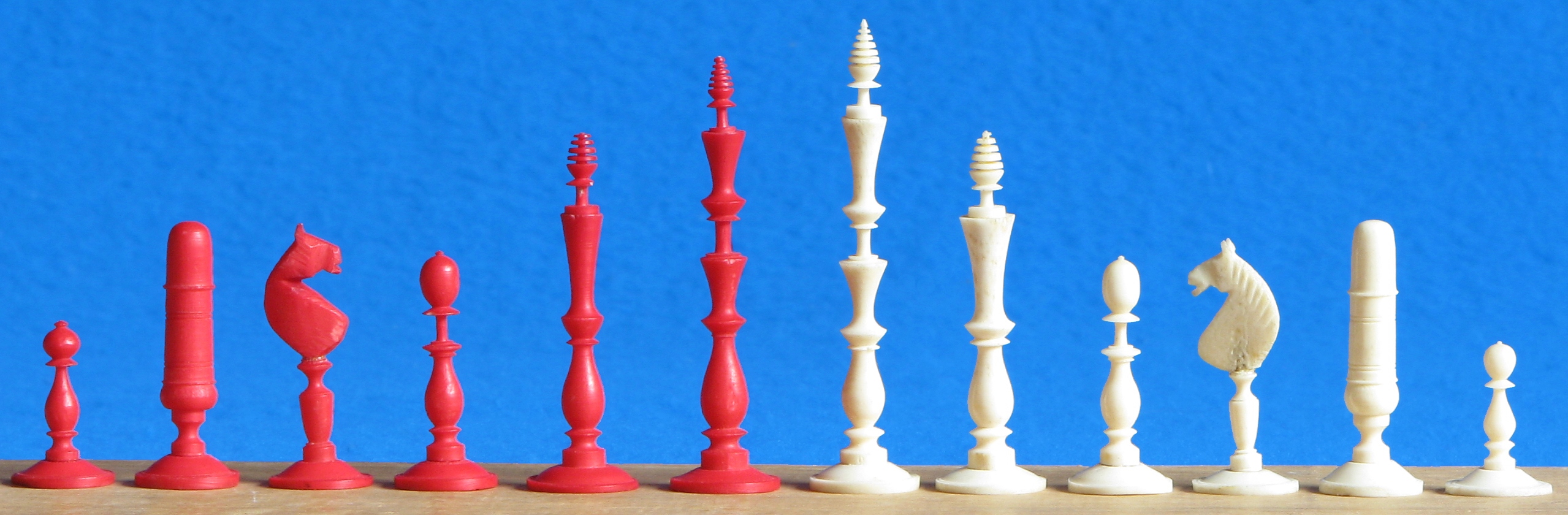 Germany, "Selenus" or "Nuremberg" (Eng: "spindle")
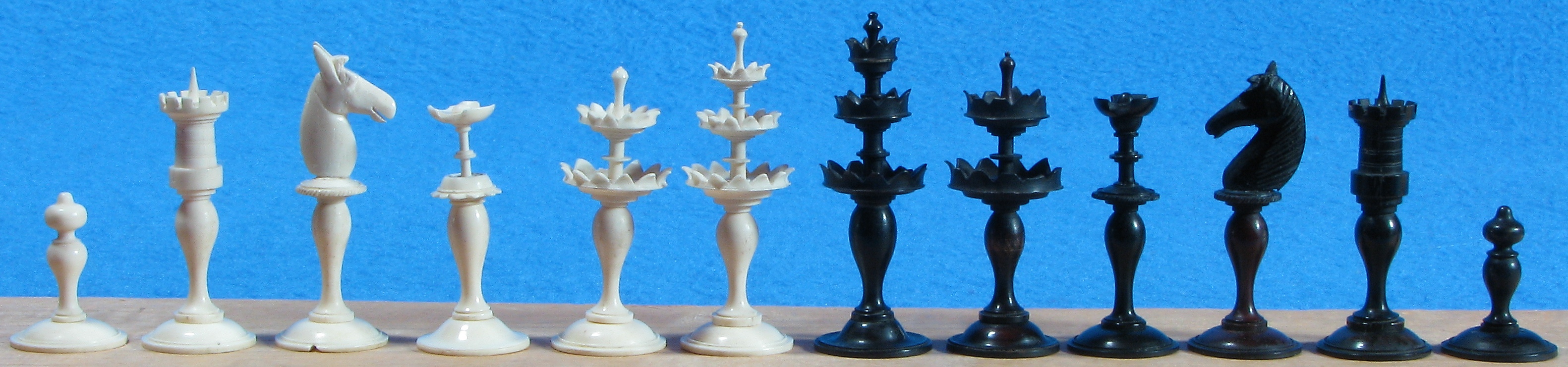 Denmark or Germany, "Selenus", ca. 1860
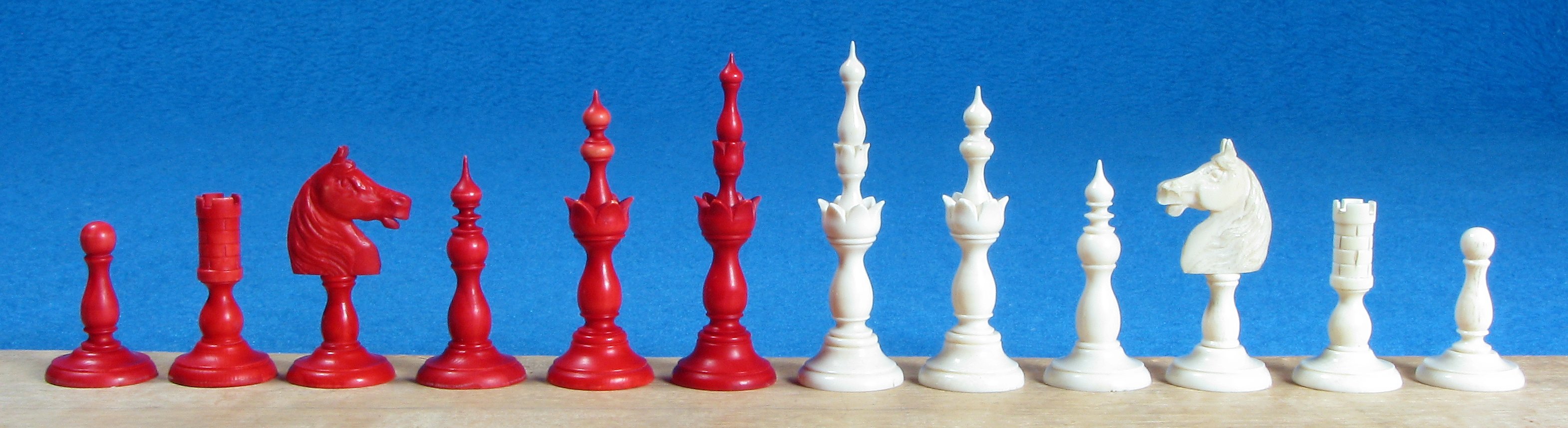 Germany, by J.G.Gärtner, "Selenus" (Eng: "Tulip")
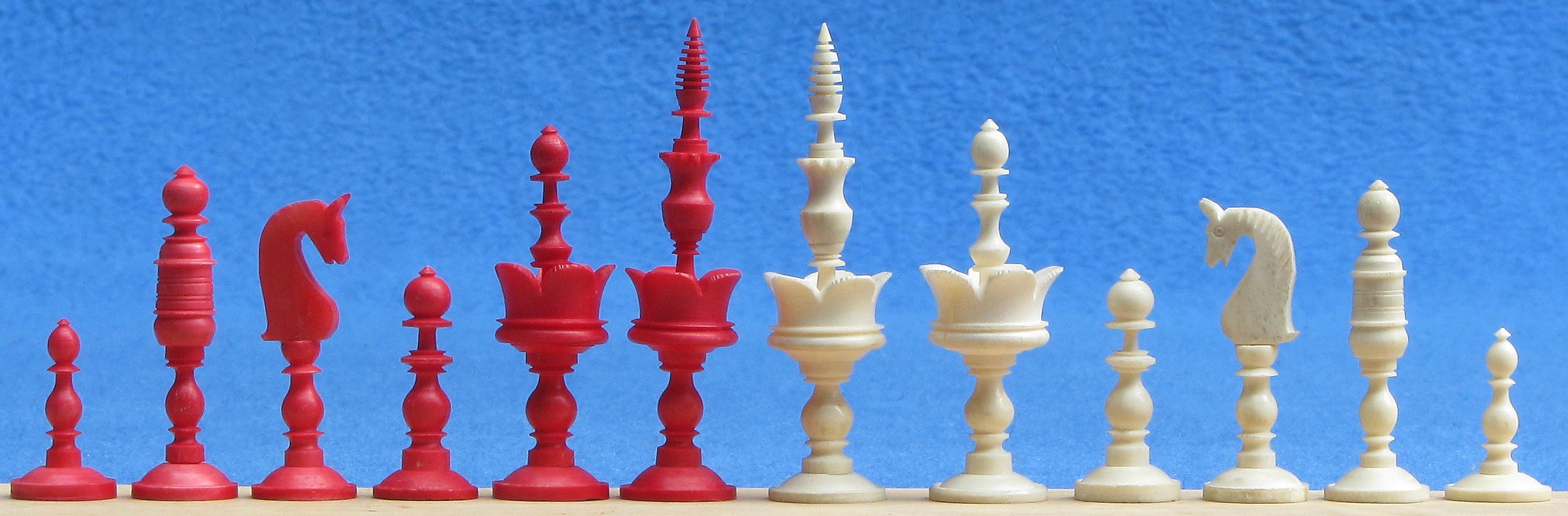 Germany, "Selenus" (Eng: "Tulip")
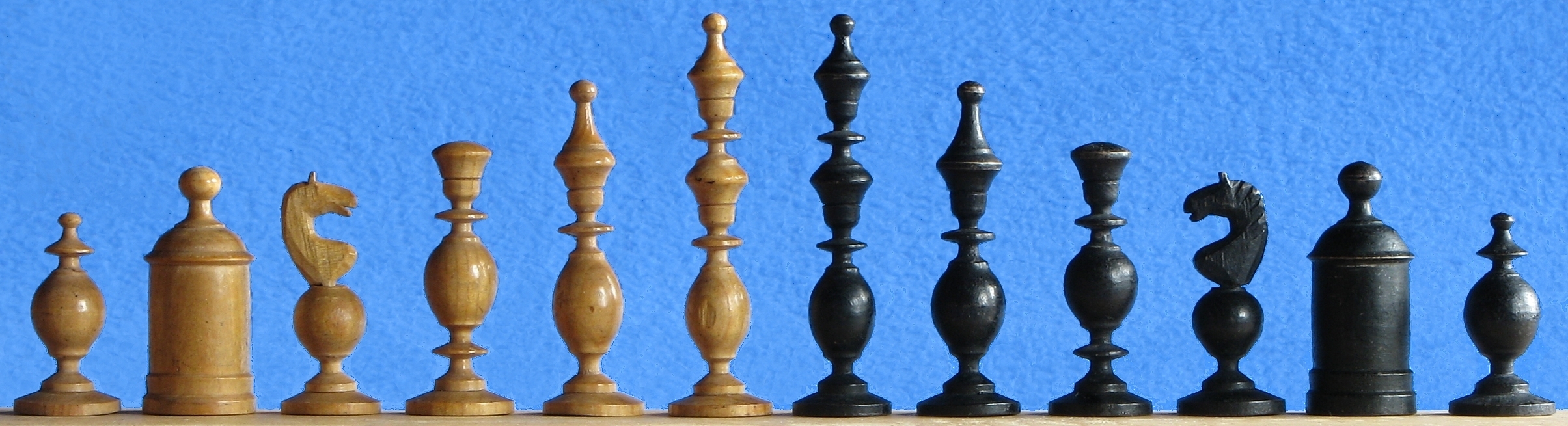 Czech, Sudetenland, ca. 1900
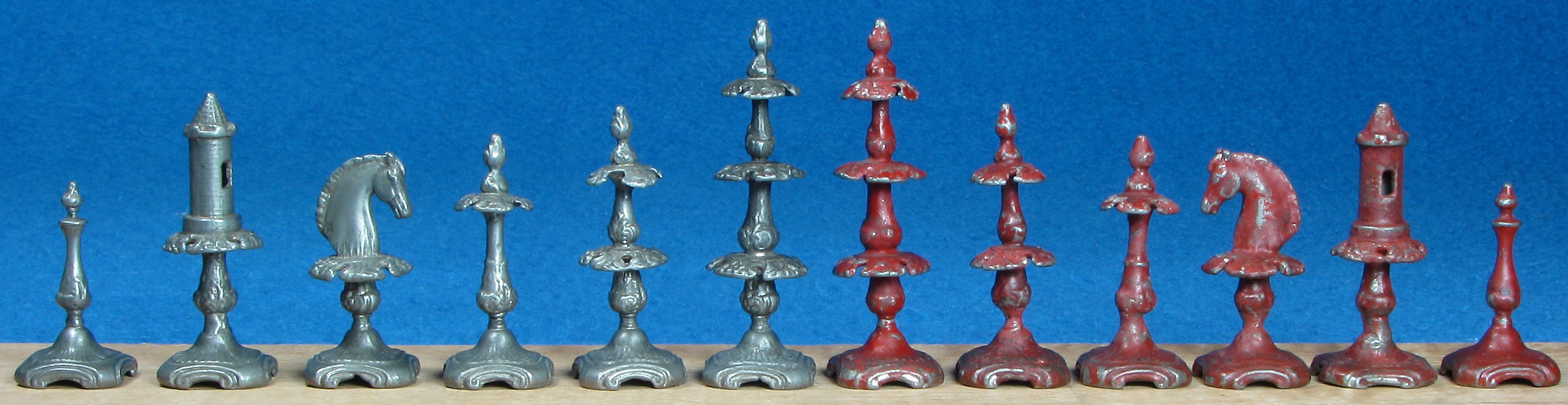 Germany, "Selenus inspired", Early 20th century?